Supporting Children with Cerebral Palsy

Expert, family-friendly physiotherapy that builds confidence, independence, and movement.
Helping Your Child Reach Their Potential

Expert support tailored to your child

Cerebral Palsy is the most common physical disability in childhood and presents uniquely in every child. At PaedsPhysio we’re here to guide and support you and your child through their rehabilitation journey. Whether your child is newly diagnosed, or you’ve been managing their needs for some time, our experienced physiotherapists offer compassionate, personalised therapy that helps children to reach their full potential.

What is Cerebral Palsy (CP)?

Understanding the condition and our approach

Cerebral Palsy is a group of movement disorders caused by an injury to the developing brain, either before birth, during delivery, or shortly after. It affects muscle control, tone, posture, and coordination. Symptoms may not be obvious at birth and often become more noticeable as a child grows and develops. It can affect a single limb or the whole body and is the most common disability in childhood.
Causes of Cerebral Palsy include issues before birth (such as brain malformations or infections during pregnancy), complications during birth like asphyxia or prematurity, and postnatal causes such as infections, head injuries, or oxygen deprivation. Cerebral palsy presents in several forms, the most common is spastic, which causes stiff muscles and limited movement variety. Dyskinetic CP involves fluctuating muscle tone and involuntary movements, while ataxic type affects balance and coordination due to poor movement control. Some children have a mixed presentation, showing symptoms of more than one type
Children with Cerebral Palsy may experience:
  • Delayed motor milestones such as sitting or walking.
  • Stiff or floppy muscle tone.
  • Poor coordination, balance, head control or postural challenges.
  • Difficulties with feeding, speech, or swallowing.
  • Difficulty with fine motor tasks like grasping or writing.
  • Lack of varied movements.

We take a holistic and caring approach to understanding your child’s needs. Diagnosis of Cerebral Palsy often begins with careful observation of your child’s development and a thorough physical assessment. Cerebral Palsy is a non-progressive condition, meaning the original brain injury doesn’t get worse, but the way it impacts your child may change over time as they grow. Early and tailored intervention can make a real difference, and we use recognised classification tools like the Gross Motor Function Classification System (GMFCS), along with other types of assessment, to guide your child’s therapy in a way that’s meaningful for your family.
Children with Cerebral Palsy may experience:

  • Delayed motor milestones such as sitting or walking.
  • Stiff or floppy muscle tone.
  • Poor coordination, balance, head control or postural challenges.
  • Difficulties with feeding, speech, or swallowing.
  • Difficulty with fine motor tasks like grasping or writing.
  • Lack of varied movements.
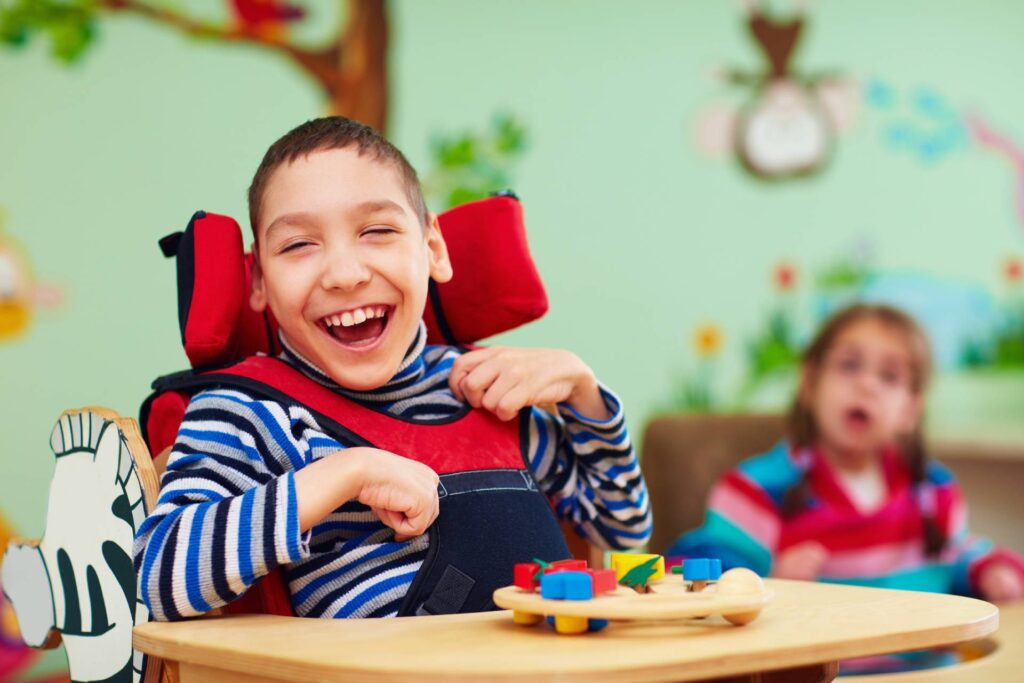
cheerful boy with disability at rehabilitation center for kids with special needs
CP2
How Physiotherapy Can Help Children With Cerebral Palsy​

Physiotherapy is a key part of managing Cerebral Palsy and supporting each child’s physical development

At PaedsPhysio, our expert team work closely with families to build strength, mobility, confidence, and function through playful and goal-focused therapy. We also help to prevent or reduce complications such as muscle contractures, joint issues, and postural challenges.
Our physiotherapy treatment programmes may include:
  • Thorough physical assessment and identification of needs.
  • Hands-on therapy to guide movement, motor development, strength, and coordination.
  • Tone management following interventions such as serial casting, botulinum toxin, or surgery (e.g. SDR or muscle lengthening).
  • Support for posture and balance.
  • Development of motor skills and functional movement.
  • Monitoring of orthopaedic changes and coordination with specialist teams.
  • Prevention and management of contractures and deformities.
  • Support for independent mobility and gait training.
  • Daily home exercise programmes for families to integrate into routines.
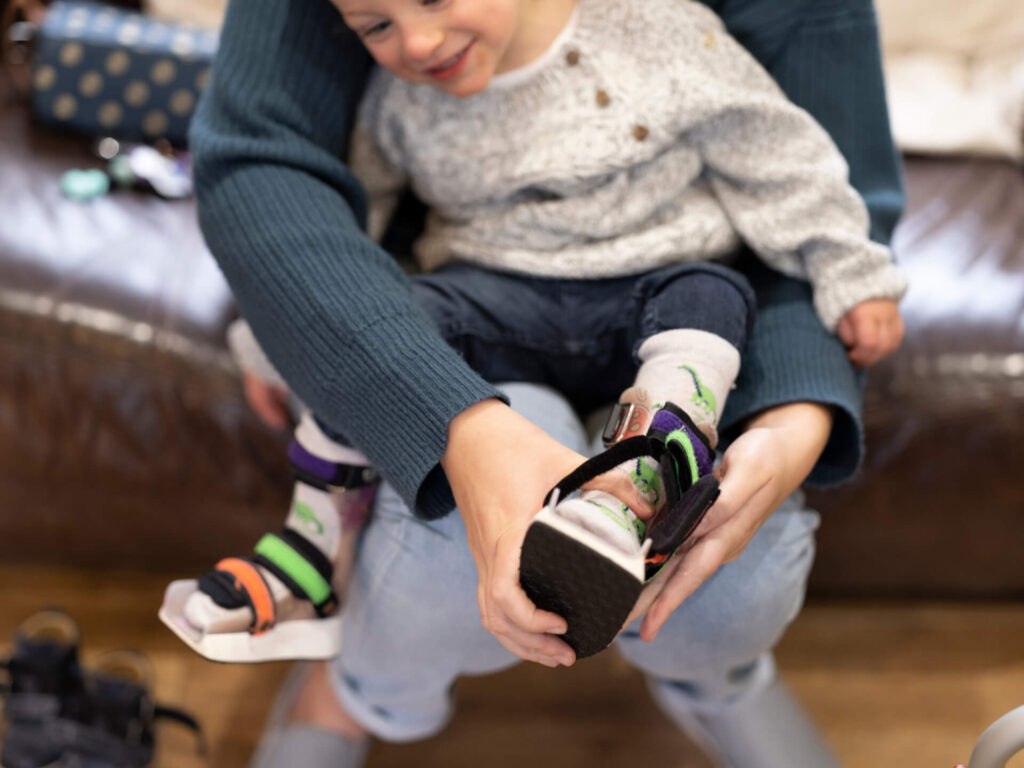
  • Advice on specialist equipment such as orthotics, walkers, standing frames, seating, and sleep systems.

Our physiotherapy treatment programmes may include:  

  • Thorough physical assessment and identification of needs.
  • Hands-on therapy to guide movement, motor development, strength, and coordination.
  • Tone management following interventions such as serial casting, botulinum toxin, or surgery (e.g. SDR or muscle lengthening).
  • Support for posture and balance.
  • Development of motor skills and functional movement.
  • Monitoring of orthopaedic changes and coordination with specialist teams.
  • Prevention and management of contractures and deformities.
  • Support for independent mobility and gait training.
  • Daily home exercise programmes for families to integrate into routines.
  • Advice on specialist equipment such as orthotics, walkers, standing frames, seating, and sleep systems.
We're Here to Help

Start your rehabilitation journey with us

We know how important it is to find the right physiotherapist for your child. Our experienced team will take time to understand your child’s needs and match you with the most suitable member of our team.