Physio for talipes in babies

Specialist Physiotherapy to help little feet grow strong and steady.
Helping Babies with Positional Talipes

Specialist advice for confident, healthy movement

Talipes describes a condition where a baby’s foot points downwards and turns inward. Positional talipes, the most common type, happens due to how a baby was positioned in the womb and usually resolves with time and gentle physiotherapy. At PaedsPhysio, our team is here to guide you through safe, supportive stretches and activities to encourage your baby’s natural movement and development.
WHAT IS POSITIONAL TALIPES?

What is Positional Talipes?

Understanding how early care helps little feet find their way

Understanding how early care helps little feet find their way.
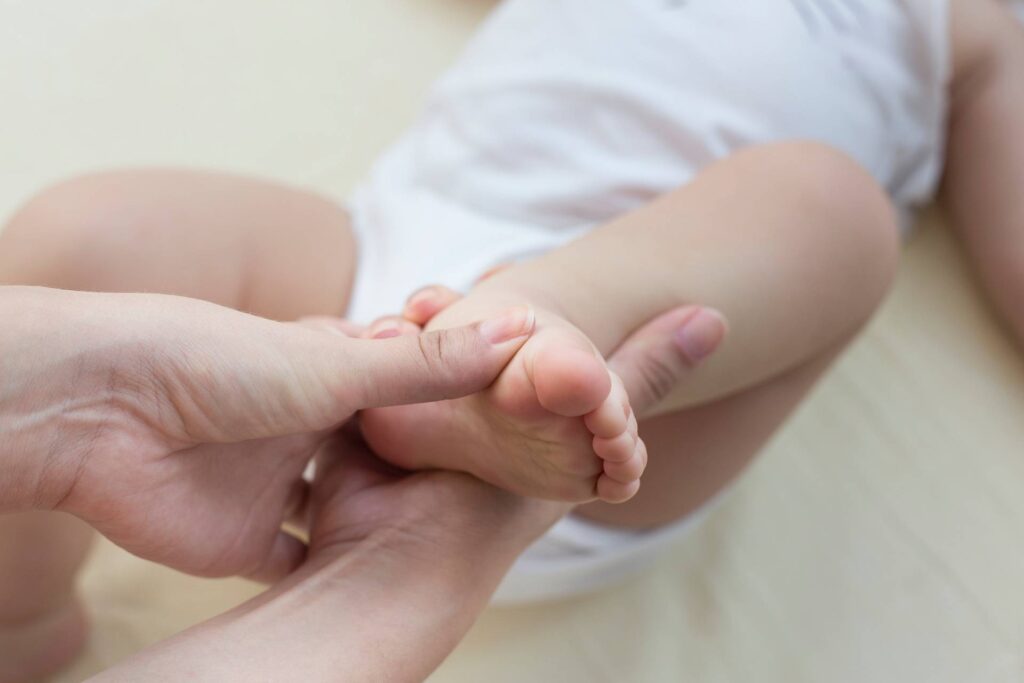
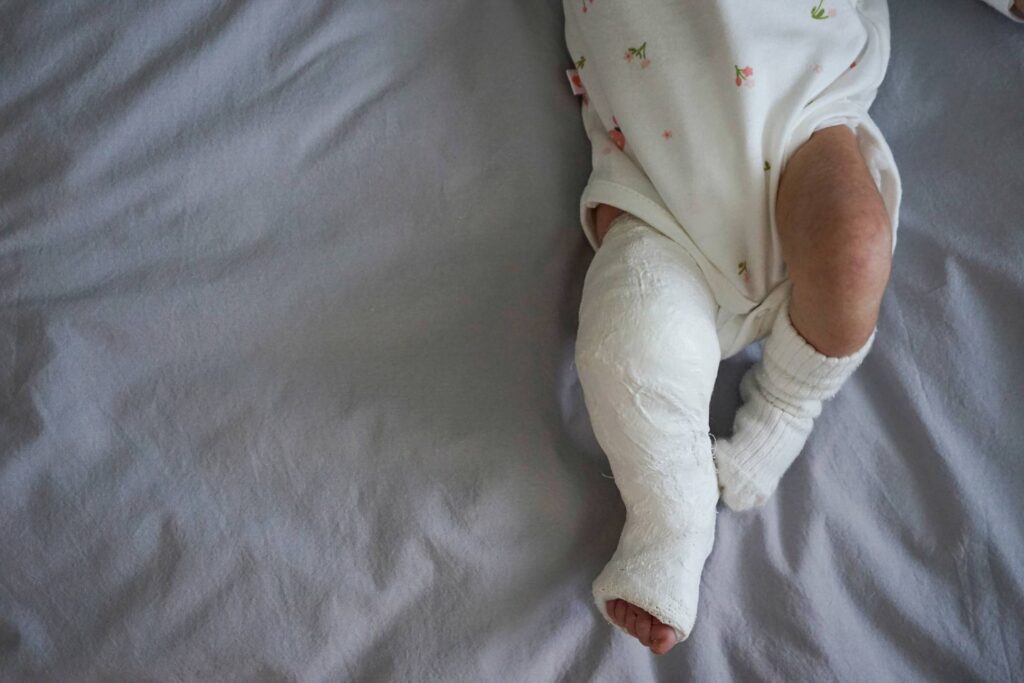
Positional talipes, or positional talipes equinovarus, is a common finding in newborns. It occurs when the soft tissues around the foot tighten during pregnancy, creating a foot position that points downward and inward. Unlike congenital (structural) clubfoot, positional talipes can usually be gently corrected with movement, stretching, and time.
As expert Paediatric Physiotherapists, we provide careful assessment to distinguish between positional and structural talipes. If the foot can be moved into a neutral position, physiotherapy can help it continue to improve. If structural changes are present, immediate referral to an orthopaedic specialist ensures the best outcomes. Our experienced physiotherapists give families clear guidance and reassurance at every step.

Signs of positional talipes include:

  • One or both feet turning downwards and inwards.
  • Foot posture that can be gently moved towards a normal position.
  • No rigid stiffness or bony changes.
  • Normal hip and spine development alongside the foot concern.
baby foot exercise
iStock 2162670235
HOW PHYSIOTHERAPY CAN HELP CHILDREN WITH Talipes

Protecting the hip, building strength, and supporting recovery

Encouraging flexibility, strength, and natural movement.

Early physiotherapy for positional talipes can make a big difference, helping your baby’s feet straighten naturally and supporting their early motor development. At PaedsPhysio, we teach parents simple, safe techniques to use as part of daily routines, ensuring that exercises feel natural and stress-free for both baby and family.

Our physiotherapy sessions may include: <expand to list like ‘Children’s Physiotherapy following Brain Injury’ section in Acquired Brain Injury Physiotherapy – Paeds Physio>

We focus on keeping therapy positive and relaxed, ensuring your baby remains comfortable and happy during exercises. Most cases of positional talipes resolve well with consistent, gentle positioning and exercises.

Physio for talipes could include:

  • Teaching gentle stretching techniques to gradually correct foot position.
  • Advising on massage for the lower leg, foot, and ankle to relax tight tissues.
  • Using playful stimulation, such as tickling the side of the foot, to encourage active movement.
  • Offering practical tips on allowing plenty of free leg movement by avoiding restrictive clothing.
  • Providing advice on the best ways to handle and position your baby to support foot correction.
  • Monitoring progress carefully and discussing onward referral if structural concerns arise.
PHYSIO FOR LITTLE FEET

Small steps towards strong beginnings

Helping little feet move freely and naturally is a big part of our approach for babies with talipes at PaedsPhysio. Our supportive, experienced physio team is here to help your baby’s feet develop naturally, giving them the best start for strong, confident mobility. Get in touch today to find out how we can support you and your baby.