Coordination difficulties in children

Specialist physio to support movement, balance, and control.
Physiotherapy for Coordination Difficulties and DCD.

Helping every child move with confidence and enjoy their world

Developmental Coordination Disorder (DCD), sometimes called Dyspraxia, is a common but often misunderstood condition that affects a child’s ability to plan, organise, and coordinate physical movements. It is not linked to intelligence or an underlying neurological disease, but it can have a big impact on daily life, school activities, and self-esteem. At PaedsPhysio, we provide expert support, helping children develop the skills they need to move and participate in everyday life.

WHAT IS DEVELOPMENTAL COORDINATION DISORDER?

What is Developmental Coordination Disorder?

Recognising the signs and supporting early movement skills

DCD is a neurodevelopmental condition that affects approximately 5–6% of children, although many go undiagnosed. Children with DCD may find both fine and gross motor skills challenging. Activities like handwriting, using scissors, riding a bike, running, and throwing a ball often feel much harder compared to their peers. They may appear clumsy, bump into obstacles, struggle with dressing tasks, and have difficulty organising their movements.
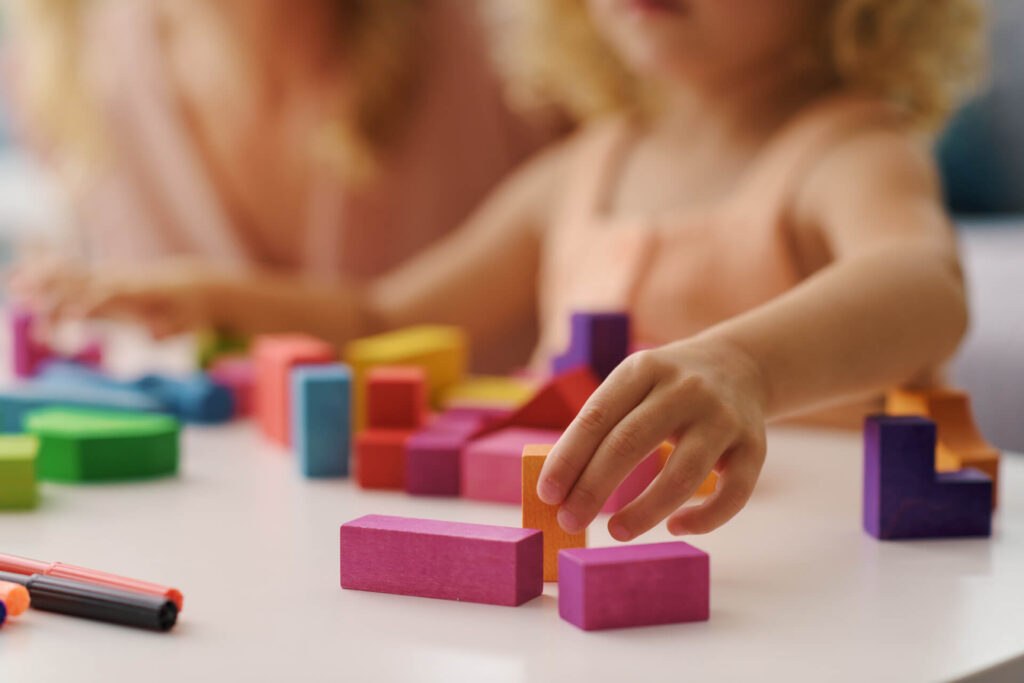
At PaedsPhysio, we understand the frustration and emotional impact that these challenges can bring. Our children’s physiotherapists provide skilled assessment and practical strategies to help children develop stronger, more coordinated movement skills. We also work closely with families and schools to promote understanding, encourage participation, and build confidence.

Children with DCD may experience:

  • Poor coordination in activities such as ball games or climbing.
  • Frequent tripping, dropping objects, or bumping into things.
  • Difficulties with dressing, tying shoelaces, or using cutlery.
  • Challenges with handwriting, drawing, or manual tasks.
  • Delays in learning skills like riding a bike or swimming.
  • Low confidence and feelings of frustration in physical tasks.
DCD-1-1-1
DCD-2-1-1.jpg
WHAT IS DEVELOPMENTAL COORDINATION DISORDER?
HOW PHYSIOTHERAPY CAN HELP CHILDREN WITH COORDINATION DIFFICULTIES

Building strength, balance, and confidence through tailored support

Building strength, balance, and confidence through tailored support.

Physiotherapy plays an important role in helping children with DCD build essential motor skills, improve balance and stability, and increase participation in activities they enjoy. Our Paediatric Physiotherapists provide friendly, targeted interventions that are playful, achievable, and adapted to each child’s individual goals.

Our physiotherapy programmes may include: expand to list like ‘Children’s Physiotherapy following Brain Injury’ section in Acquired Brain Injury Physiotherapy – Paeds Physio

We work closely with families to ensure therapy is practical, engaging, and built into everyday routines wherever possible, helping children feel proud of their progress and more confident in their abilities.

Our physiotherapy programmes to improve coordination may include:

  • Comprehensive assessment of gross motor skills, balance, posture, and muscle strength.
  • Targeted exercises to improve coordination, muscle control, and motor planning.
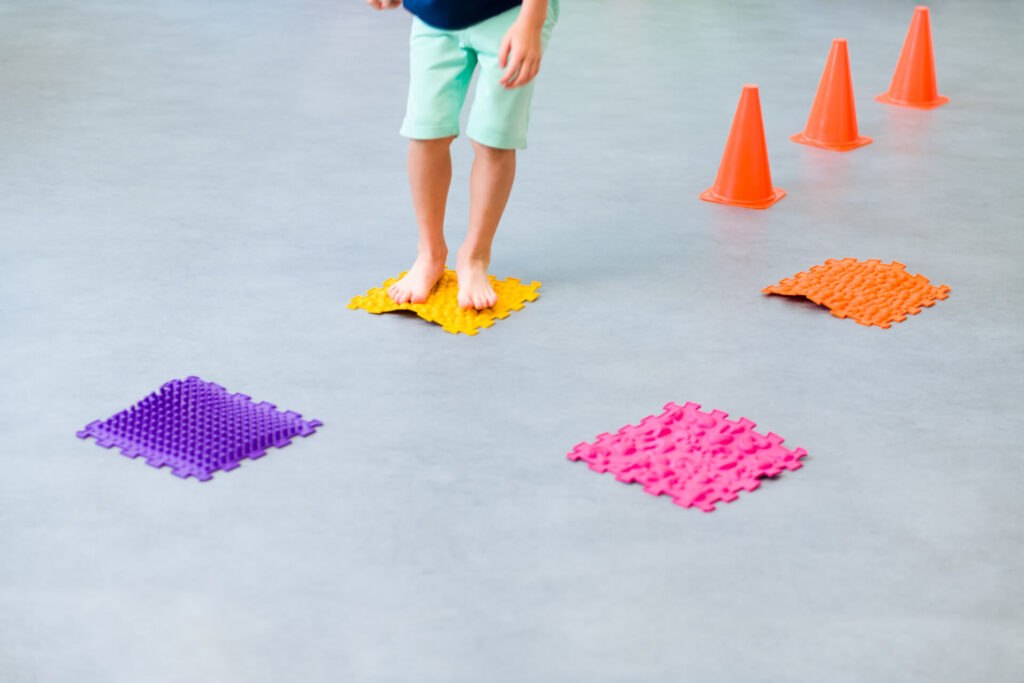
  • Fun, skill-based activities to support balance, strength, and endurance.
  • Focused support on specific functional goals, such as riding a bike or improving PE performance.
  • Collaboration with schools to help create supportive environments and practical adjustments.
SUPPORTING SKILLS, STRENGTH AND SELF-BELIEF.

Supporting Skills, Strength and Self-Belief.

Tailored physiotherapy for children with coordination problems

Every child with Developmental Coordination Disorder deserves the chance to move with greater ease, build confidence, and enjoy the activities they love. With the right support and encouragement, we help children grow into strong, capable movers. Our goal is to build lasting skills that help children take part fully in life, both now and in the future.