Physiotherapy for Brachial Plexus Injury

Expert physiotherapy for children with Erb’s Palsy and other brachial plexus injuries.
Helping Your Baby Make a Positive Start

Compassionate support from the very beginning

At PaedsPhysio, we provide expert support for babies and children with peripheral nerve injuries, including Erb’s Palsy (a type of Obstetric Brachial Plexus Palsy). We understand how worrying it can be to notice weakness or limited movement in your baby’s arm, and we’re here to guide you through what’s happening and how physiotherapy can help. With early, gentle intervention and ongoing guidance, many children go on to regain significant function and movement.
What is Erb’s Palsy?

What is Erb’s Palsy?

Understanding the condition and our approach
Understanding the condition and our approach

Erb’s Palsy is a form of Obstetric Brachial Plexus Palsy, a condition caused by injury to the brachial plexus, the network of nerves running from the spinal cord in the neck (C5 to T1), that control movement and sensation in the shoulder, arm and hand. This type of peripheral nerve injury most often occurs during birth, typically when the baby’s shoulder becomes stuck behind the mother’s pubic bone or in breech deliveries where more manipulation is needed. Depending on the severity, this can result in temporary weakness or, in more severe cases, longer-term changes to movement and strength.
Injuries may affect the shoulder, elbow, wrist, fingers or thumb, and children may also experience associated challenges such as clavicle (collar bone) or humerus (upper arm) fractures, torticollis (tight neck muscles), or facial nerve involvement. The majority of nerve recovery occurs in the first year, and early physiotherapy plays an important role in maximising outcomes.
  • Muscle weakness.
  • Pain.
  • Loss of sensation.
  • Horner’s syndrome (weakness on one side of the face affecting the eye).
  • Facial nerve palsy.
  • Paralysis of the diaphragm.
PNI
PNI-2
How Physiotherapy Can Help Children With Erb’s Palsy

Physiotherapy is key to supporting your baby’s development and recovery following a brachial plexus injury

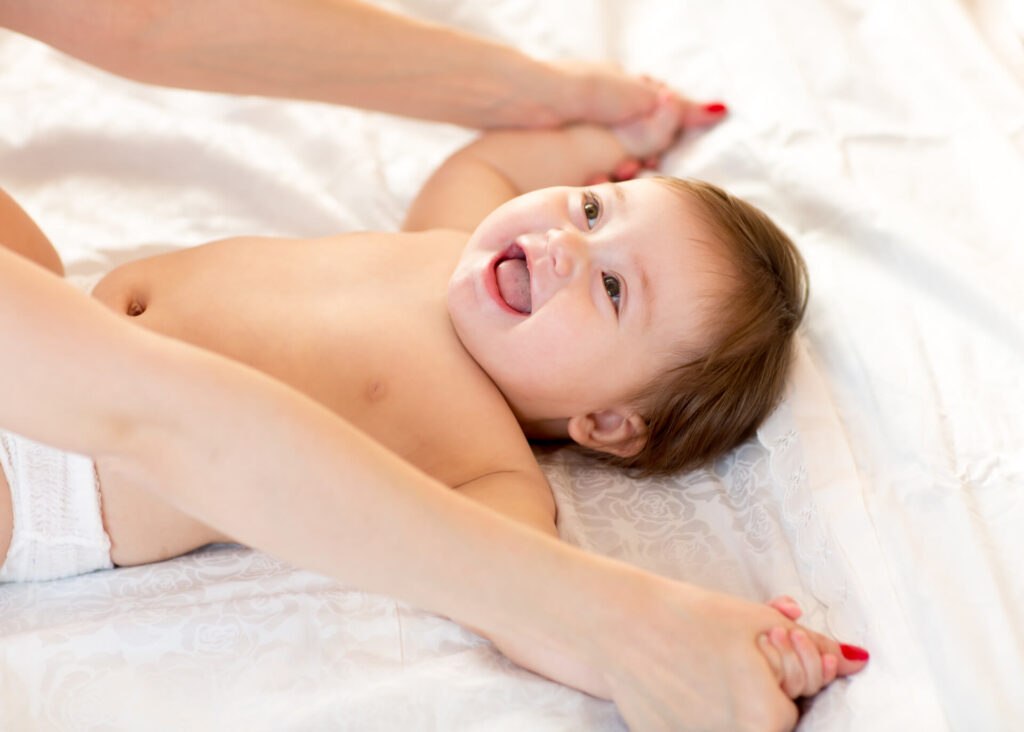
At PaedsPhysio, we carry out thorough assessments to understand how the injury is affecting your baby and adapt treatment to help restore movement, support strength and reduce the risk of long-term complications. We also support families with day-to-day advice on handling, dressing and positioning to help protect the arm and promote function as part of your routine.

Our physiotherapy management may include: expand to list like ‘Children’s Physiotherapy following Brain Injury’ section in Acquired Brain Injury Physiotherapy – Paeds Physio

  • Expert assessment to monitor severity and progress over time.
  • Advice on safe handling, dressing and positioning of the affected arm.
  • Guided passive movements to maintain joint mobility and muscle length.
  • Exercises and play-based activities to encourage active movement and strength.
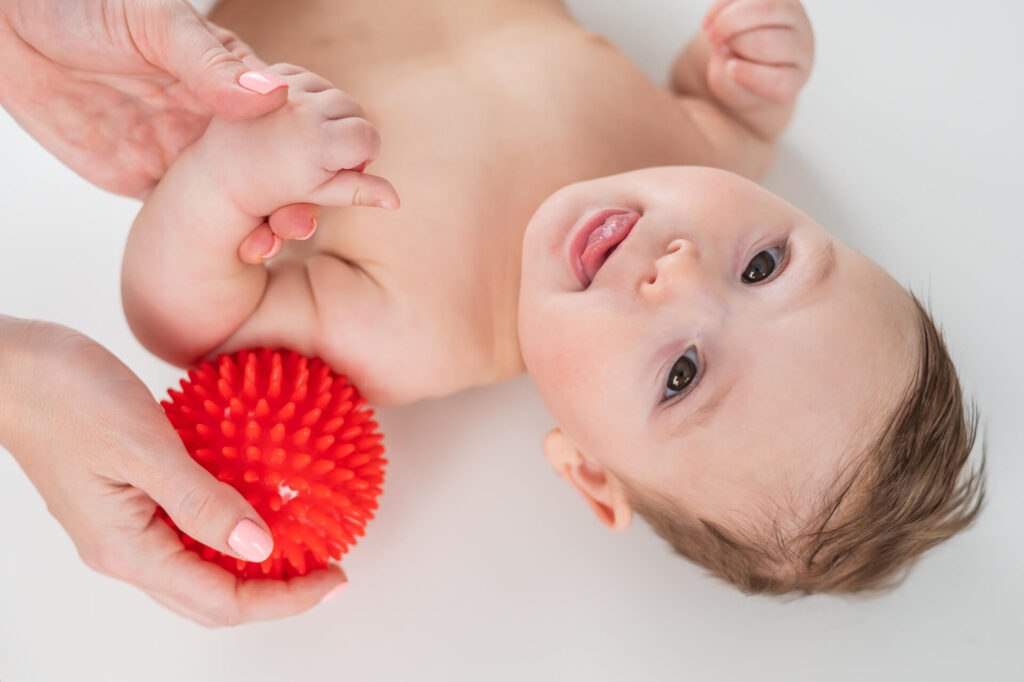
  • Sensory stimulation techniques to improve awareness and sensation in the arm.
  • Support for motor development milestones such as rolling, reaching and crawling.
  • Intensive therapy following any surgical procedures to aid recovery.
  • Monitoring and support for changes related to growth and physical activity.
  • Encouragement and support for participation in sports and physical activities as your child grows.
We're Here to Help

Expert, family friendly support

We understand that noticing weakness or limited movement in your baby’s arm can be a worrying time. Our team will take the time to understand your baby’s needs and offer practical, thoughtful support that fits into your family’s routine. If your child would benefit from input beyond physiotherapy, we’ll work closely with other professionals to make sure you’re supported in every direction. We’re here to help you feel informed, empowered, and never on your own.