Spina Bifida usually develops within the first 28 days of pregnancy, often before a woman knows she is pregnant. Each child is affected differently, and understanding the type and level of involvement is an important first step. There are three main types: Spina Bifida Occulta is the mildest form, often discovered by chance and usually without symptoms; Meningocele involves a fluid-filled sac on the baby’s back that does not contain the spinal cord, and may cause only mild issues; and Myelomeningocele is the most complex, where the spinal cord and nerves are involved, which can lead to challenges with movement, bladder and bowel function, and sometimes hydrocephalus.
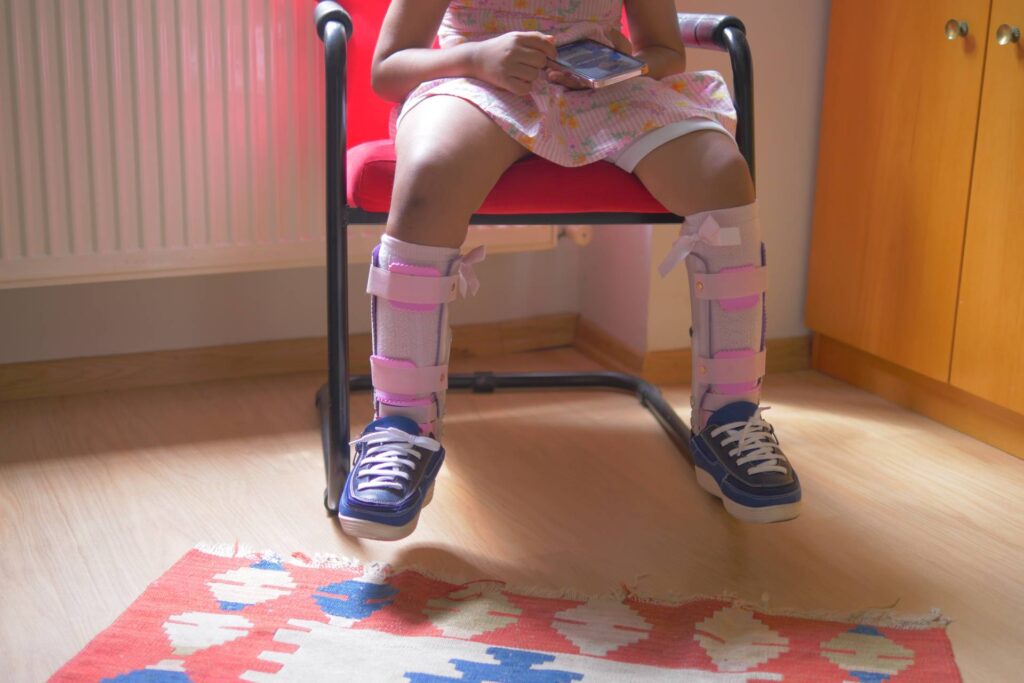
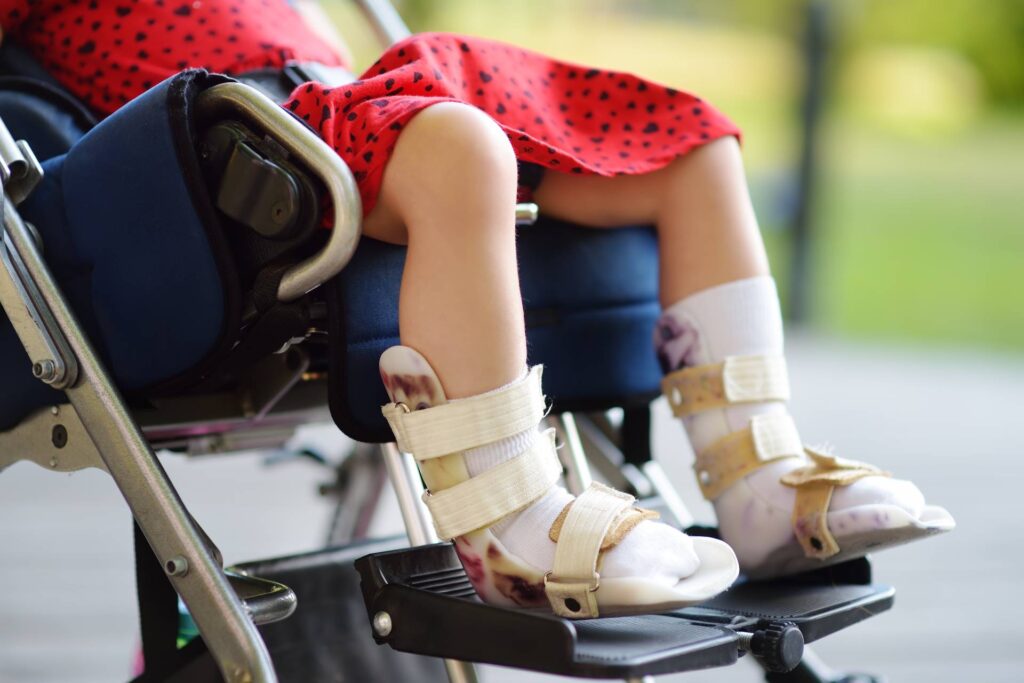
At PaedsPhysio, we know that children often benefit from ongoing support including physiotherapy, occupational therapy, and access to equipment that helps them live, play, and learn with greater ease. Some children will use mobility aids like braces, walkers or wheelchairs, and many need support for bladder, bowel, or educational needs. We’re here to help guide the child and their family throughout their rehabilitation and adapt our support as your child grows.